Sunday, 19 October 2014

Get Back Pain Relief Now - Tips and Exercises


1. Keep your back and especially your shoulder blades covered, in bed.

2. The height of the pillow should let the neck part of the spinal to be balanced with no pressure.
3. It is recommended to sleep in a fetus position and lay on your side with your legs against the chest.
4. Avoid sharp movements in the morning. Warm up your back first. Consult an exercise expert.
5. Sit upright, but naturally with no pressure on your lower back.
6. When you sit make sure your feet, all of the sole, is fully placed on the floor for support.
7. Get up and stretch once in 30 minutes when sitting for a long time.
8. Use your knees to lift things and not your back.
9. Warm up before any physical activity.
10. End up physically activity with stretches.  
11. And last but not least, listen to your body and avoid painful situations and activities.  If you feel pain, check it.


Wednesday, 12 December 2012

How to clean stomach


Regular stomach cleaning is very important for our health.
Nowadays most of our nutrition is full of preservatives and they are the cause for so many diseases.
Our digestion is weakened by anger, depression, hate and conflicts.
A lot of health problems are created only this way: The range is from back pain, eye problems to allergies.
Regular stomach cleaning is very important for good health.
By regular stomach cleaning you can avoid 80% of all diseases.
The good results in our health care program are only possible due to regular stomach cleaning.

You can combine the following 4 proposals of stomach cleaning:
1.      Eat 2 - 4 oranges with empty stomach. (Eat the fruit, but do not make juice.) You can also eat 2 tomatoes. After that you should eat nothing for one hour.
2.      Every second evening you should have 1 teaspoon caster oil in half a glass of milk. This way you can avoid that the preservatives in our nutrition are absorbed by your body. Caster oil in milk is a totally natural means in ayurvedic medicine and it has no side effects.
3.      A better way of stomach cleaning is if you eat in addition to that 50 gr cabbage. You should aid some drops fresh pressed lemon juice. You also can do this any time of the day.
4.      Another very effective cleaning method for your large intestine is ginger tea: Boil 2 cups of water down to 1 cup. While cooking stir 1 teaspoon ginger powder and add a bit white sugar. Let it cool down and before drinking add 6 drops of lemon. If you want you can have this twice the day. Avoid ginger during constipation.


Wednesday, 18 July 2012

The World’s Most Intelligent Fish

 The World’s Most Intelligent Fish


Comet the goldfish may be the world’s most intelligent fish after its owner, Dean Pomerleau, trained it to perform a range of aquatic activities.
The Worlds Most Intelligent Fish 1 300x233 The Worlds Most Intelligent Fish
Comet prepares to shoot a hoop
Comet can play football, basketball and even limbo dance under a bar. The genius of the water world can also play fetch with a hoop, slalom around a series of poles and push a rugby ball over a set of posts.
The Worlds Most Intelligent Fish 2 The Worlds Most Intelligent Fish
Comet plays soccer
Dr Pomerleau from Los Angeles, used a training technique called positive reinforcement to train Comet to perform the tricks. This involves rewarding the fish with food when it successfully completes a task.
Dr Pomerleau insisted there was nothing fishy about his claim, saying anyone can teach their pet to perform similar tricks.
The Worlds Most Intelligent Fish 3 The Worlds Most Intelligent Fish
Comet has been trained to push a miniature rugby ball over a set of posts
“There is mounting evidence that fish are more intelligent than people give them credit for,” the fish training expert said.
“With the correct tools and the basic promise of a food reward, fish can very quickly learn complex tricks – like the limbo, slalom or playing fetch.”
“Now people in the market for a dog might want to consider a fish instead.”
The Worlds Most Intelligent Fish 4 The Worlds Most Intelligent Fish
Gold ring: Comet’s owner adapted training methods previously used on dolphins
Dr Pomerleau already holds the official world record for having the fish with the largest repertoire of tricks, with a three year-old calico fantail named Albert Einstein.
But four-inch long Comet has already learned Albert’s array of tricks and is set to take the crown of the world’s most intelligent goldfish.
Scroll down for more photos of Comet…
The Worlds Most Intelligent Fish 5 The Worlds Most Intelligent Fish
The Worlds Most Intelligent Fish 6 The Worlds Most Intelligent Fish
The Worlds Most Intelligent Fish 7 The Worlds Most Intelligent Fish

Tuesday, 10 July 2012

Spinach nutrition facts

Spinach nutrition facts

Wonderful green leafy vegetable spinach is often recognized as one of the functional food for its nutritional, antioxidants and anti-cancer constituents. Its tender, crispy, dark green leaves are favorite ingredients of chefs all around the planet. Botanically it belongs to the amaranthaceae family and its scientific name: Spinacia oleracea. 
Spinacia plant grows about 1 foot in height. It is best cultivated during cold seasons and is therefore available fresh during March through May and again from September till November months.


t least two varieties of spinach are cultivated for their edible leaves; Savoy type with dark green crinkle (wrinkled) leaves and flat leaf-spinach type with smooth surfaced leaves.


Health benefits of Spinach

  • Spinach is store house for many phyto-nutrients that have health promotional and disease prevention properties.
  • Very low in calories and fats (100 g of raw leaves provide just 23 cal). It contains good amount of soluble dietary fiber; no wonder greeny spinach is one of the vegetable source recommended in cholesterol controlling and weight reduction programs!
  • Fresh 100 g of spinach contains about 25% of daily intake of iron; one of the richest among green leafy vegetables. Iron is an important trace element required by the body for red blood cell production and as a co-factor for oxidation-reduction enzymes cytochrome-oxidases during the cellular metabolism.
  • Fresh leaves are rich source of several vital anti-oxidant vitamins like vitamin A, vitamin C; and flavonoid poly phenolic antioxidants such as lutein, zea-xanthin and beta-carotene. Together these compounds help act as protective scavengers against oxygen-derived free radicals and reactive oxygen species (ROS) that play a healing role in aging and various disease processes.

  • Zea-xanthin, an important dietary carotenoid, is selectively absorbed into the retinal macula lutea in the eyes where it is thought to provide antioxidant and protective light-filtering functions; thus helps protect from "age related macular disease" (ARMD), especially in the elderly.
  • Vitamin A is also required for maintaining healthy mucus membranes and skin and is essential for vision. Consumption of natural vegetables and fruits rich in vitamin A and flavonoids helps body protect from lung and oral cavity cancers.
  • 100 g of Spinach provides 402% of daily vitamin-K requirements. Vitamin K plays vital role in strengthening bone mass by promoting osteotrophic (bone building) activity in the bone. It also has established role in patients with Alzheimer's disease by limiting neuronal damage in the brain.
  • This greeny leafy vegetable also contain good amounts of many B-complex vitamins like vitamin- B6 (pyridoxine), thiamin (vitamin B-1), riboflavin, folates and niacin. Folates help prevent neural tube defects in the offspring.
  • 100 g of farm fresh spinach has 47% of daily recommended levels of vitamin C. Vitamin C is a powerful antioxidant which helps body develop resistance against infectious agents and scavenge harmful oxygen free radicals.
  • The leaves also contain good amount of minerals like potassium, manganese, magnesium, copper and zinc. Potassium in an important component of cell and body fluids that helps controlling heart rate and blood pressure. Manganese and copper are used by the body as a co-factor for the antioxidant enzyme superoxide dismutase. Copper is required in the production of red blood cells. Zinc is a co-factor in many enzymes that regulate growth and development, sperm generation, digestion and nucleic acid synthesis.
  • It is also rich source of omega-3 fatty acids.
Regular consumption of spinach in the diet helps prevent osteoporosis (weakness of bones), iron deficiency anemia and is believed to protect from cardiovascular diseases and colon and prostate cancers.


See the table below for in depth analysis of nutrients:

Spinach (Spinacia oleracea), raw,
Nutritive value per 100 g.
(Source: USDA National Nutrient data base)
Principle Nutrient Value Percentage of RDA
Energy 23 Kcal 1%
Carbohydrates 3.63 g 3%
Protein 2.86 g 5%
Total Fat 0.39 g 1.5%
Cholesterol 0 mg 0%
Dietary Fiber 2.2 g 6%
Vitamins

Folates 194 mcg 48.5%
Niacin 0.724 mg 4.5%
Pantothenic acid 0.065 mg 1%
Pyridoxine 0.195 mg 15%
Riboflavin 0.189 mg 14.5%
Thiamin 0.078 mg 6.5%
Vitamin A 9377 IU 312%
Vitamin C 28.1 mg 47%
Vitamin E 2.03 mg 13.5%
Vitamin K 482.9 mcg 402%
Electrolytes

Sodium 79 mg 5%
Potassium 558 mg 12%
Minerals

Calcium 99 mg 10%
Copper 0.130 mg 14%
Iron 2.71 mg 34%
Magnesium 79 mg 20%
Manganese 0.897 mg 39%
Zinc 0.53 mg 5%
Phyto-nutrients

Carotene-ĂŸ 5626 mcg --
Crypto-xanthin-ĂŸ 0 mcg --
Lutein-zeaxanthin 12198 mcg --

Selection and storage

Spinach is best available during winter months. In the markets buy fresh leaves featuring dark green color, vitality and crispiness. Avoid those with dull/sunken leaves, yellow discoloration and spots.
Once at home, wash leaves thoroughly in clean running water and they should be rinsed in salt water for about 30 minutes in order to remove dust, insecticide residues.
Although it can be stored inside the refrigerator for up to a week, fresh leaves should be eaten whenever possible to get maximum nutrients.

Preparation and serving methods

Wash leaves in cold water before use. Gently pat dry using tissue or soft cloth. Trim away tough stems. Raw leaves can be either chopped or as they are in variety of recipes.
Here are some serving tips:
spinach rice
palak paneer
Spinach rice with chickpeas and tofu.
Photo courtesy: scottfeldstein
Palak paneer. Thorughly cooked spinch leaves mashed, sauteed and mixed with cheese cubes.
  • Fresh spinach is eaten raw either in salad and veg burgers or as juice. Antioxidant properties may decrease significantly on steaming, frying and boiling for longer periods.
  • Along with other vegetables, it is used in the preparation of noodles, pie, pasta, rice preparations, soups as well as in baby foods.
  • In India and Pakistan, where it is popular as "palak", spinach features in variety of delicious cooking such as palak paneer (cheese cubes), aloo palak (with potato), fried rice, chicken and meat preparations.

Safety profile

  • Reheating of spinach left-over may cause conversion of nitrates in to nitrites and nitrosamines by certain bacteria that thrive on pre-prepared nitrate-rich foods, such as spinach and many other green vegetables. These poisonous compounds may be harmful to health, especially in children.
  • Phytates and dietary fiber present in the leaves may interfere with the bio-availability of iron, calcium and magnesium.
  • Because of its high vitamin K content, patients taking anti-coagulants such as "warfarin" are encouraged to avoid spinach in their food since it interferes with drug metabolism.
  • Spinach contains oxalic acid, a naturally occurring substance found in some vegetables which may crystallize as oxalate stones in the urinary tract in some people. It is therefore, people with known oxalate urinary tract stones are advised to avoid eating certain vegetables belonging to amaranthaceae and brassica family. Adequate intake of water is therefore advised to maintain normal urine output.
  • It may also contain goitrogens which may interfere with thyroid hormone production and can cause thyroxin hormone deficiency in individuals with thyroid dysfunction.


Sunday, 8 July 2012

Garlic Control High Blood Pressure / Hypertension


Why is Natural Management Better than Conventional Treatment for High Blood Pressure?

Why go the natural way to treat hypertension? The answer to this question is because of the potential side effects of most commonly used antihypertensive drugs. Comparatively, natural therapy for blood pressure control  such as the use of garlic and other herbs can be used quite safely with almost negligible side effects. In addition, certain anti-hypertensives are ineffective by themselves and garlic can be given to improve their effectiveness, this means even if you are on an anti-hypertensive, adding garlic could help with better control and lesser dose of the drug.

One must consume 2-3 cloves of garlic everyday to get the therapeutic benefit for the treatment of hypertension. Preferably, one must take garlic in the natural or raw form so that the active component of garlic called allicin is not destroyed. Allicin can be destroyed by cooking and even by cutting in seconds. Many patients also prefer to take garlic supplements as an odor-free substitute.

It is preferable to take garlic in the natural form rather than supplements, as it gives the maximum benefit. However, garlic is beneficial in any form whether taken raw or added in food taken throughout the day. Evidently garlic sulphides are also useful in the treatment of hypertension, which is not destroyed by any cooking process.

Role of Garlic for  High Blood Pressure -  There have been numerous clinical trails and research based studies to establish the effect of garlic in the treatment of hypertension. These studies have not only studied the effect of garlic on blood pressure relative to placebo and other antihypertensive agents, but also garlic by itself in blood pressure management.

As a common consensus, garlic has been shown to cause a significant reduction in systolic blood pressure (SBP) with a slightly lesser reduction in diastolic blood pressure (DBP), as comparable to patients given a placebo, in mild or moderate hypertension. This report is validated when there are other lifestyle changes such as weight loss, reduced salt intake, stress reduction etc; together with taking garlic as a supplement.

However, there is a requirement of more well organized studies without the methodological shortcomings, as there is still an insufficient evidence to recommend its use routinely as a therapy for the treatment of hypertensive subjects.

Nevertheless, the effect of garlic as an adjuvant (drugs used additionally to improve the efficacy of a particular medication) with other antihypertensive drugs have shown a positive difference in blood pressure management.

Mechanism of Action of Garlic:

The hypertension reducing properties of garlic is because of a biologically active substance called allicin and garlic sulphides or s-methyl-1-cysteine sulfoxide.

Evidently allicin not only relaxes the blood vessels, which reduces blood pressure and damage, but it also interferes with the function of angiotensin I which is an enzyme produced by the kidney responsible for smooth muscle contraction and blood pressure elevation.

Garlic might also be hypotensive indirectly by reducing cholesterol levels, reducing the platelet aggregation and thrombosis, because of its blood fibrinolytic (breaks down the fibrin) activity.

The antihypertensive effect of garlic is also because it activates the production of nitric oxide synthase and hydrogen sulphide, which helps relax blood vessels. This is because nitric oxide synthase causes the chronic reduction of nitric oxide (NO) synthesis by NĂ¹-nitro-L-arginine-methyl-ester (L-NAME) responsible for the induction of arterial hypertension in rats.


Friday, 29 June 2012

Importance of Fish Tank in Feng Shui


  • Fish tanks are powerful as they combine five important elements of Feng Shui, namely;

    Water-

    water in the fish tank

    Earth-

    gravel and rocks in the fish tank

    Wood-

    plants in the fish tank

    Metal-

    the structure of the fish tank

    Fire-

    the red or orange color of gold fish/ lighting in the fish tank
    This combination of the elements is very harmonious and brings in wealth, beauty and well-being in the life.
  • Water is a symbol of life and growth. The sounds of the flowing water and the activities will stimulate the good vibes bringing in good fortune.
  • The moving water helps in revitalizing the stagnant energy.
  • Fish tank adds beauty to home.
  • If the room is dry then the fish tank can add humidity and balance the moisture.
  • It blocks the negative energy from sharp objects like bridges, fence etc.
  • An aquarium under the beam is said to relieve stress and mental tension.
So, if you want to benefit yourself from Feng shui aquarium, place the aquarium:

Southeast-

for abundance and wealth

North-

for career

East-

for family and health

Basic tips for fish tank in Feng shui

  • Never place an aquarium in the kitchen or bedroom as it creates too much energy.
  • Do not put the fish tank in the center of the house.
  • goldfish
  • Nine is a potent number in Fneg shui. It is best to keep nine fishes (eight gold/ orange and one black) This will supercharge the energy.
  • The number of fish in the fish tank should not be more than 10.
  • Remove the dead fishes immediately and replace them.
  • The plants should be green and healthy.
  • Clean and maintain the fish tank regularly.
Thus, fish tank in Feng Shui holds a very special place.

Wednesday, 27 June 2012

Ayurvedic Treatment for Diabetes.

Diet modification: The first step for the ayurvedic treatment of diabetes it is necessary to modify diet, which includes reduced intake of sugar and simple carbohydrates, and emphasizes on complex carbohydrates. Protein intake should be decreased as higher intake can damage the kidneys. Fat intake should be also limited as digestion of fat becomes difficult in these patients due to deficiency of other pancreatic enzymes. Eat plenty of fresh vegetables, orange, lemons, bitter fruits and herbs.

Panchakarma: Many diabetics have antibodies against their own pancreatic tissue (autoantibodies), hence the cleansing program Panchakarma is used to clear the auto antibodies. This includes herbal massages, herbal steam sauna, and fasting to cleanse the body. Following these a herbal purge for the liver, pancreas, and spleen is given. Lastly colon therapy is given to cleanse the digestive tract and then to reorganise the system.

Exercise and yoga: Physical exercise, breathing exercises and yoga are used for ayurvedic treatment for diabetes.

Herbs: Several herbal remedies for treatment of diabetes are used by ayurveda practitioners. Shilajit, gudmar turmeric, neem, amalaki, guggul, and arjuna are the most important herbal remedies for treatment of diabetes. Turmeric along with aloe-vera gel is effective in the early stages of diabetes for regulating function of pancreas and liver.

Studies have shown that herbs such as Coccinia indica, holy basil, fenugreek, and Gymnema sylvestre and the herbal formulas Ayush-82 and D-400 have glucose-lowering effect.

Some of the commonly used Ayurvedic herbal remedies for diabetes mellitus are
  • Bitter gourd or bitter lemon juice taken everyday in empty stomach.
  • Turmeric capsules: 2 capsules daily thrice a day.
  • Rose apple stones powder taken twice daily.
  • Fenugreek, musta, Arjuna, triphala, ajwan, haritaki mixed with ghee taken daily.
  • Amlaki powder, haldi powder with honey, taken twice daily.
These remedies lower the blood sugar and mostly decrease the need for insulin and other allopathic medicines to control blood sugar.

Caution with Ayurveda


Ayurvedic medicines are effective for treating diabetes but relying on this type of treatment alone can have adverse health consequences. Consult your allopathic physician before you stop the allopathic drugs for diabetes treatment. Some of the ayurvedic medicines can interact with medicines, foods, or dietary supplements. Inform your allopathic physician if you are using ayurvedic remedies.

Saturday, 23 June 2012

Ayurvedic Treatment for Brain Tumor and Alternative Treatment for Tumors

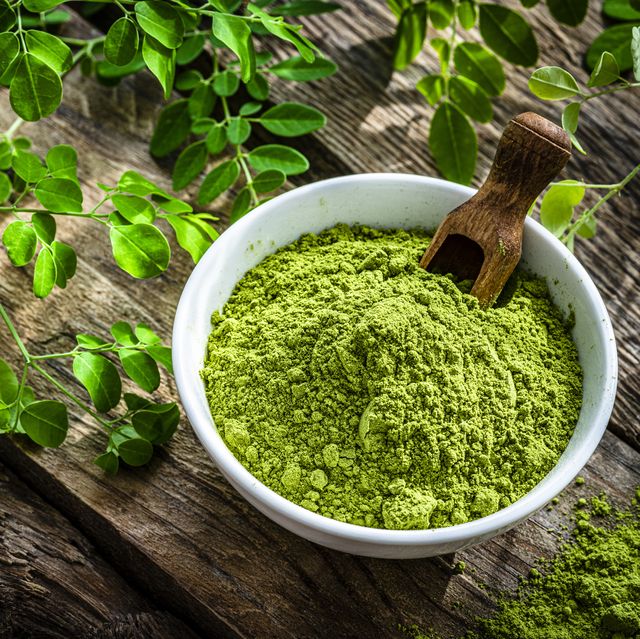
10 Health Benefits of Moringa, According to Nutritionists

  10 Health Benefits of Moringa, According to Nutritionists We've been independently researching and testing products for over 120 years...